
Semi-Structural Rhinoplasty: Why Surgeons Often Choose It
Have you heard accounts of a nose that, over time, develops tip redness or a visible implant outline, or of nasal-tip skin that gradually thins and risks perforation? These are not uncommon with techniques that place a synthetic material directly against the nasal tip. The real concern is not how the nose looks on discharge day, but how stable it remains years later. This is precisely why semi-structural rhinoplasty has become a preferred option among many plastic surgeons for the majority of Vietnamese nasal structures.
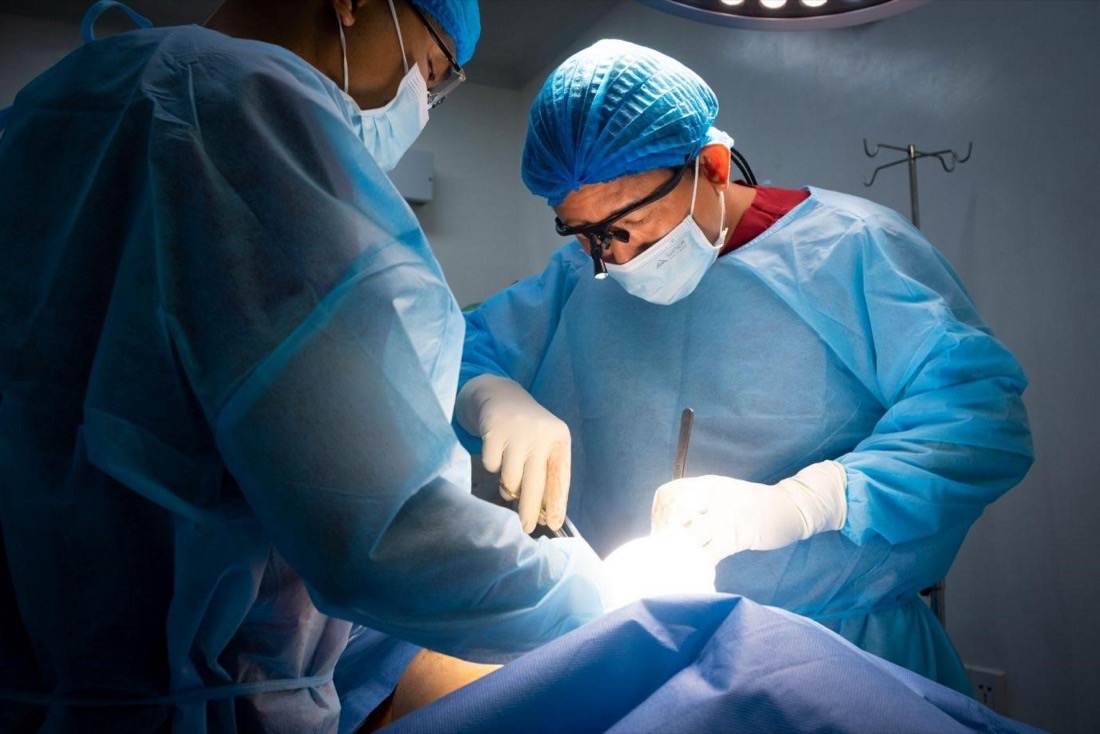
What Is Semi-Structural Rhinoplasty in Anatomical Terms?
To understand this technique, it helps to picture the nose as two parts: the bridge (the bone and cartilage in the upper portion) and the tip (mainly the alar cartilage and soft tissue). Semi-structural rhinoplasty is a combined technique: a synthetic implant (silicone or ePTFE) provides height for the bridge, while your own autologous cartilage is used to wrap and support the tip.
Unlike a simple tip-graft rhinoplasty (which only caps the tip with a single piece of cartilage) and unlike full structural rhinoplasty (which rebuilds nearly the entire nasal framework), the semi-structural approach sits in between: it intervenes sufficiently at the tip without dissecting too widely. As a result, it offers a reasonable balance between the degree of intervention and the durability of the result.
The Scientific Basis: Why Is Autologous Cartilage Needed at the Tip?
The nasal tip bears the most pressure and has thin skin. When a rigid synthetic material presses directly against this skin over a long period, the skin can thin out, leading to tip redness (the material's color showing through the skin) or, more seriously, a risk of implant show or perforation at the tip.
Autologous cartilage, usually taken from the ear (conchal) cartilage or the septal cartilage, is living tissue that is biologically compatible with the body. When placed as a cushioning layer between the material and the tip skin, it acts as a natural shock absorber, helping to distribute force and protect the delicate skin. This is the core anatomical principle that makes semi-structural rhinoplasty regarded as safer for the tip than relying on synthetic material alone.
Who Is This Solution Suitable For?
This method is often considered for people with a relatively sound nasal foundation who wish to improve bridge height and refine the tip, but whose tip skin is neither too thick nor too thin. For cases such as a very short nose, a severely deviated tip, or fibrous scarring from a previous surgery, the surgeon may recommend a different and more appropriate approach.
It is worth emphasizing: no single technique is optimal for everyone. The choice between a tip graft, semi-structural, or full structural rhinoplasty depends on skin thickness, the quality of available cartilage, bone shape, and each person's aesthetic goals. Results vary by individual and require a direct examination before any decision is made.
The Practical Benefits You Can Reasonably Expect
When properly indicated and performed to a sound technical standard, semi-structural rhinoplasty offers several well-founded advantages:
- Lower risk of tip complications: the autologous cartilage layer helps limit tip redness and implant show, and protects the tip skin over time.
- A more natural nasal shape: a soft tip that harmonizes with the face rather than appearing rigid.
- A moderate degree of intervention: less dissection than full structural rhinoplasty, so recovery tends to be gentler in many cases.
- Long-term stability: thanks to a tip built from the body's own living tissue.
Setting the Record Straight: Debunking a Few Common Myths
Many people believe that once a nose is done, it will stay beautiful forever with no need for revision — this is not accurate. Every cosmetic surgery has biological limits, and the result is influenced by aging, individual healing tendencies, and how the nose is cared for. Another myth is that "semi-structural is always better than a tip graft"; in reality, each technique has its own indications, and the technique that suits your nasal structure is the right one. Finally, using autologous cartilage does not mean eliminating all risk entirely — it helps reduce risk, not erase it.
Medical Notes: Contraindications and Normal Reactions
Semi-structural rhinoplasty is usually approached with caution or postponed in the following situations: an active acute nasal–sinus infection, uncontrolled bleeding disorders, diabetes or an unstable underlying condition, pregnancy and breastfeeding, those under 18 whose nasal structure is not yet fully developed, or those with unrealistic expectations. This is why the pre-surgical anatomy screening step is so important.
After surgery, some signs are a normal reaction and will gradually subside: swelling, bruising around the nose and eyes, a feeling of tightness, and mild numbness at the tip during the first few weeks. However, if you experience increasing pain, fever, abnormal discharge, spreading redness, or signs of implant show, you should contact your doctor immediately for prompt evaluation.
Conclusion and Advice From the Doctor
Semi-structural rhinoplasty is a balanced option trusted by many surgeons because it respects the natural anatomy of the tip and aims for long-term stability. But the best method is always the one suited to your own structure and anatomy — something that can only be determined through a direct examination.
If you are considering it, please register for a free consultation and anatomy screening with a specialist surgeon. Here, the doctor personally performs the examination, consultation, and surgery in an accredited hospital setting (not a spa), with transparent pricing based on each influencing factor such as the condition of the nose, the type of autologous cartilage, and the degree of intervention. Where an implant is needed for other areas, we use genuine FDA-cleared Mentor/Motiva (Ergonomix 2) implants.
Dr. Vo Thanh Sang — Specialist Level I in Aesthetic Plastic Surgery, with more than 15 years of experience, having accompanied over 12,000 clients, Head of the Aesthetic Surgery Unit at World Wide Hospital. Address: 244A Cong Quynh, District 1, HCMC. Hotline: 079 7479 222.